Wiring Your Layout: A Practical Guide to Power Supply and Control Systems
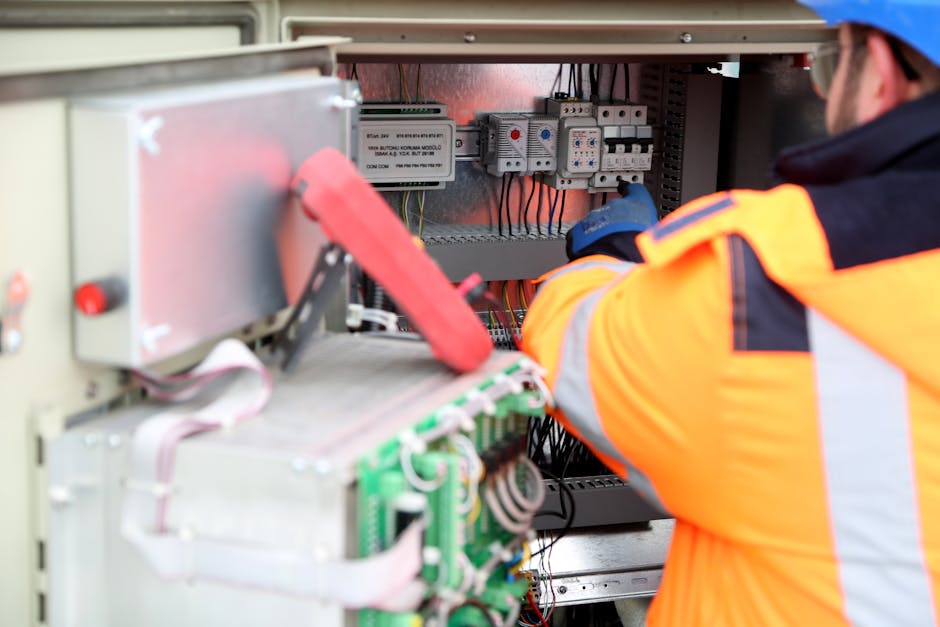
Wiring a model railway layout seems daunting to beginners, but the fundamental principles are straightforward. Whether you're building a simple single-train layout or a complex multi-train system, understanding the basics ensures safe, reliable operation.
Power Supply Fundamentals begin with understanding that model trains run on DC (direct current) electricity, typically 12 volts. A power supply converts household AC electricity to the DC voltage your trains need. Choose a quality power supply rated for your layout's size—a small 1-amp supply suits a simple loop, whilst larger layouts with multiple trains need 2-5 amps. Cheap, poorly regulated supplies cause erratic running and can damage locomotives.
Track Wiring is straightforward: one rail connects to the positive terminal of your power supply, the other to negative. Both rails must be properly connected throughout the layout to ensure consistent voltage. Use appropriately gauged wire—16-18 SWG is typical for OO gauge—and avoid excessive resistance by keeping wire runs reasonably direct. For large layouts, consider "bus" wiring, where heavy-gauge wire runs around the layout perimeter, with lighter gauge drops connecting to individual track sections. This minimises voltage drop across long distances.
Control Systems range from simple to sophisticated. A basic controller is a variable resistor (rheostat) that lets you adjust voltage to the track, controlling train speed. Pressing the controller one way reverses polarity, reversing the train. For multiple trains, you need more complex systems. Cab control allows different controllers to operate different sections independently. Digital Command Control (DCC) is the modern standard, allowing multiple trains on the same track with individual control—though it requires a compatible decoder in each locomotive.
Block Wiring divides your layout into electrical sections, each independently powered. This prevents trains on different sections from interfering with each other and provides safety—you can isolate a section if a short circuit occurs. A simple block system uses double-pole, double-throw switches to redirect power between sections.
Safety Considerations are essential. Install a circuit breaker or automatic reverse unit to protect against short circuits when trains derail or tracks cross unintentionally. These devices instantly cut power, preventing damage. Keep all wiring neat and labelled—you'll thank yourself when troubleshooting months later. Use appropriately rated wire and connectors; undersized wire generates heat and fire risk.
Testing and Troubleshooting requires a multimeter. Test voltage at various points to ensure consistent supply. Check track continuity with the multimeter's resistance function—resistance should be near zero. If you find high resistance, check connections and clean track.
Start simple with a basic single-train layout. As your confidence grows, add complexity. Many railway modelling clubs offer wiring workshops—attending one provides hands-on learning and expert guidance specific to your chosen control system.