Joining a Model Railway Club: Finding Community and Shared Knowledge
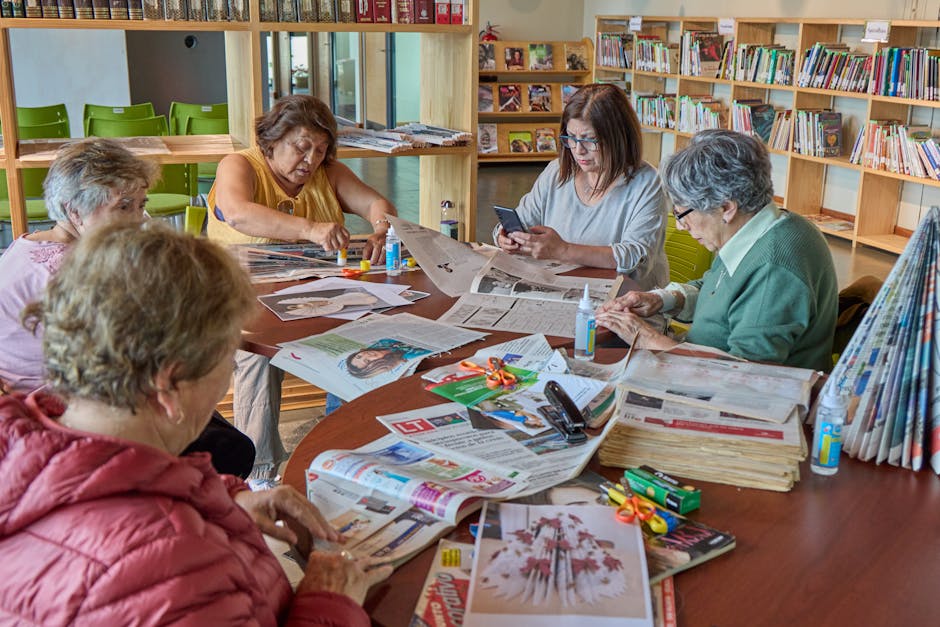
Model railway modelling can be a solitary pursuit, but many enthusiasts find that joining a club transforms the hobby. Clubs offer practical benefits like access to shared layouts, expert knowledge, and social engagement. If you're considering joining, here's what you should know.
What Clubs Offer varies by organisation, but most provide several key benefits. Access to a shared layout allows members to operate trains on much larger layouts than most could build at home. Many clubs have permanent layouts in dedicated spaces, sometimes in railway heritage centres or community halls. These layouts are maintained collectively, spreading the workload and cost. Club members also benefit from shared knowledge—experienced modellers provide guidance to newcomers, and technical problems are often solved through collective problem-solving.
Finding Your Local Club is straightforward. The Model Railway Club and the Railway Modellers' Association maintain directories of affiliated clubs throughout the UK. A quick online search for "model railway club near [your town]" usually yields results. Most clubs welcome visitors before membership, so attend a meeting or open day to see if it suits you. Club culture varies—some are highly competitive with exhibition layouts, others focus on casual running sessions. Visit a few clubs to find one matching your interests.
Membership Costs are typically modest, usually £30-100 annually depending on the club's facilities and activities. Some clubs charge additional fees for layout access or specific activities. This is excellent value considering the access to facilities and expertise provided. Many clubs offer reduced rates for students and young people, actively encouraging the next generation of modellers.
Different Club Types serve different interests. General clubs accommodate all scales and eras, making them ideal for beginners uncertain about their direction. Specialist clubs focus on specific scales (N gauge, for example) or prototypes (Great Western enthusiasts, for instance). Exhibition clubs create showcase layouts for public display and competitions. Narrow gauge clubs focus exclusively on narrow-gauge modelling. Consider what appeals to you—you might eventually join multiple clubs.
Volunteering Opportunities abound in clubs. Help maintain the layout, teach newcomers, organize events, or manage the club's technical systems. Volunteering deepens your knowledge, builds friendships, and ensures the club thrives. Most clubs struggle to find enough volunteers, so your contribution is genuinely valued.
Social and Competitive Elements add richness to club membership. Many clubs organize social events, trips to heritage railways, and modelling competitions. Operating sessions where members run their own trains on the club layout combine technical enjoyment with social interaction. Some clubs participate in exhibitions where layouts compete for awards—the motivation to improve drives skill development.
Practical Advantages include bulk purchasing power for materials, library access to reference books and magazines, and sometimes discounted access to model shops. Clubs often have specialist tools available for member use—a lathe for turning axles or a paint spray booth, for example.
If you're isolated geographically and can't access a local club, online communities and forums provide similar knowledge-sharing. However, nothing quite replaces the hands-on learning and friendships that come from in-person club membership. Most modellers who join clubs never look back—the hobby becomes richer and more enjoyable when shared with others who understand the passion.